Karwa Chauth 2026: Date, Puja Muhurat, Moonrise Time and the Meaning Behind the Vrat
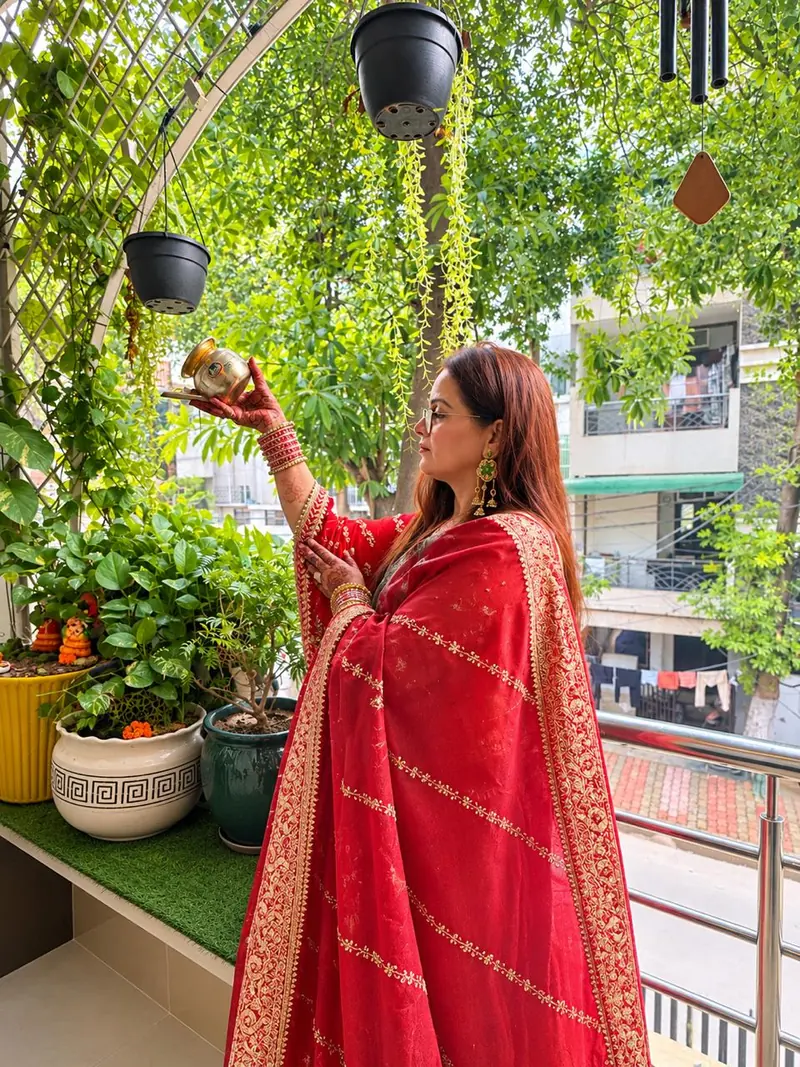
Karwa Chauth 2026 falls on Thursday, 29 October 2026. In New Delhi, the fast runs from sunrise at 6:31 AM until moonrise at about 8:17 PM, and the evening puja muhurat (auspicious time) is 5:38 PM to 6:56 PM.
Karwa Chauth kab hai? Guruvar, 29 October 2026. Delhi mein chandrodaya lagbhag 8:17 baje.
If you are planning your Sargi, your puja thali or simply wondering what time the moon will rise, this guide brings everything together. I have also shared what the Moon means in Vedic astrology, because the whole vrat (vow or fast) quietly revolves around it.
Karwa Chauth 2026 date and timings
These timings are for New Delhi, as listed on Drik Panchang. Moonrise can differ by 15 to 45 minutes in other cities, so check your local panchang (Hindu almanac) on the day.
| Detail | Time (IST, New Delhi) |
|---|---|
| Date | Thursday, 29 October 2026 |
| Chaturthi tithi begins | 1:06 AM, 29 October |
| Chaturthi tithi ends | 10:09 PM, 29 October |
| Fasting time (upavasa) | 6:31 AM to 8:17 PM (13 hours 46 minutes) |
| Karwa Chauth puja muhurat | 5:38 PM to 6:56 PM (1 hour 17 minutes) |
| Moonrise (chandrodaya) | about 8:17 PM |
A tithi is a lunar day in the Hindu calendar. Karwa Chauth falls on the Chaturthi (fourth lunar day) of Krishna Paksha, the waning half of the moon, in the month of Kartik as per the Purnimanta calendar used in North India. In the Amanta calendar used in Gujarat, Maharashtra and South India the month is called Ashwin, but the festival is kept on the same day. It is one of the first festivals of Kartik Maas.
Living abroad? In the USA and Canada, Karwa Chauth 2026 is observed on Wednesday, 28 October because of the time difference. Please check Drik Panchang for your own city.
What is Karwa Chauth?
Karwa Chauth is a one-day vrat kept mainly by married women in North India, praying for the long life and wellbeing of their husbands. Traditionally it is a nirjala vrat, meaning no food and no water from sunrise until the moon is seen.
The name has two parts. Karwa (also karva or karak) is the small earthen pot with a spout used in the puja, and Chauth means the fourth day. In older texts the festival is called Karak Chaturthi.

Many families also see it as a day of sisterhood. Women dress up, gather to hear the katha (the traditional story) together and exchange karwas, so the day strengthens bonds well beyond the marriage itself.
The story behind the vrat
The best-known katha is of Queen Veervati, a devoted sister of seven brothers. Unable to watch her suffer through her first Karwa Chauth fast, her brothers made a false moon with a lamp behind the trees, and she broke her fast early. Bad news about her husband followed, and her sincere prayer and a full year of devotion are said to have restored his life.
The message families draw from it is simple: the vrat is about sincerity and patience, not shortcuts. Some regions also tell the stories of Karwa, the devoted wife after whom the festival is named, and of Savitri and Satyavan.
Sargi: the pre-dawn meal
Sargi is a meal and gift traditionally given by the mother-in-law, eaten before sunrise so the woman can begin her fast. Most families eat it roughly between 4:00 AM and 5:30 AM, finishing before sunrise at 6:31 AM in Delhi.
A typical Sargi plate may include:
- Soaked dry fruits and nuts, such as almonds, walnuts and dates
- Fresh fruit like banana, pomegranate or papaya
- Pheni or seviyan cooked in milk
- Coconut water or plenty of plain water
- Mathri, paratha or a light home-cooked dish
- Shringar items: bindi, sindoor, bangles, mehendi and a saree or suit
A gentle tip from tradition and common sense: drink enough water during Sargi and keep the meal light and nourishing rather than very salty or fried, so the long day feels easier.

Karwa Chauth puja samagri (thali checklist)
- Karwa (earthen or metal pot) with lid, filled with water or grains
- Diya (lamp), ghee and cotton wicks
- Roli, kumkum, rice (akshat) and sindoor
- Chhalni (sieve) for viewing the moon
- Flowers, sweets and fruits for the bhog (offering)
- Image or calendar of Karwa Mata, or Gauri made of clay
- Water lota for the chandra arghya (water offering to the Moon)
- Dakshina and a gift for an elder woman of the family

Karwa Chauth puja vidhi, step by step
Customs differ between families and regions, so please follow your elders where they differ from this outline.
- Sankalp in the morning. After Sargi and a bath, take a quiet sankalp (a resolve or vow) to keep the fast with devotion.
- Prepare in the afternoon. Dress in shringar, ideally red, maroon or other auspicious colours, and set up the thali. Mehendi is usually applied the day before.
- Evening puja in the muhurat. Between 5:38 PM and 6:56 PM in Delhi, worship Lord Ganesha first, then Gauri (Parvati), Lord Shiva, Kartikeya and Karwa Mata.
- Listen to the katha. Women sit in a circle, pass their thalis around (the thali feri) and listen to the Karwa Chauth story.
- Wait for the moon. When the moon rises, around 8:17 PM in Delhi, offer arghya (water) to the Moon from the karwa or lota.
- Look through the chhalni. Traditionally the woman looks at the moon and then at her husband through the sieve.
- Break the fast. The husband offers the first sip of water and the first bite of sweet, and the fast is complete.
If clouds hide the moon, many families follow their local panchang's moonrise time or their elders' guidance on when to offer arghya.
Why the Moon? Karwa Chauth through the lens of Jyotish

In Vedic astrology, Chandra (the Moon) is the karaka, or natural significator, of the mind, emotions, nurturing and the mother. It is traditionally linked with calm, contentment and emotional connection, which is why a vrat for a loving marriage closes with an offering to the Moon. Read more in why your Moon sign matters more than your Sun sign.
According to the panchang, on 29 October 2026 the Moon moves through Vrishabha rashi (Taurus), the sign in which Chandra is traditionally considered exalted, or at its strongest. In Jyotish this is read as a supportive day for emotional warmth and steadiness, though astrology always offers guidance rather than certainty.
The Chaturthi tithi is also linked with Lord Ganesha, the remover of obstacles. That is why he is worshipped first in the evening puja.
If you would like to understand how the Moon and the 7th house (the house of marriage and partnership) are placed in your own kundli (birth chart), a kundli reading can offer gentle, practical insight. For couples, Kundli Milan looks at compatibility between two charts.
Fasting safely: a gentle note
A nirjala fast is a strong commitment, and devotion lies in the intention, not in risking your health. Women who are pregnant, breastfeeding, diabetic, on regular medication or unwell should speak to their doctor before fasting. Many families accept a phalahar (fruit and milk) or water-only version in such cases.
Please break the fast or take water if you feel dizzy, faint or unwell during the day.
Frequently asked questions
When is Karwa Chauth in 2026?
Karwa Chauth 2026 is on Thursday, 29 October 2026 in India. In the USA and Canada it falls on Wednesday, 28 October.
What time will the moon rise on Karwa Chauth 2026?
In New Delhi, the moon is expected to rise at about 8:17 PM on 29 October 2026. Other cities can differ by 15 to 45 minutes, so check your local panchang.
What is the Karwa Chauth 2026 puja muhurat?
The puja muhurat in New Delhi is 5:38 PM to 6:56 PM, a window of 1 hour 17 minutes.
Can unmarried women keep the Karwa Chauth fast?
Karwa Chauth is traditionally kept by married women, but in many families today unmarried and engaged women also keep it for a future or intended partner. Customs vary, so follow what feels right in your family.
Can husbands keep the Karwa Chauth fast too?
Yes, many husbands now fast alongside their wives as a gesture of love and equality. There is no traditional rule against it.
Celebrate with an open heart
Karwa Chauth is ultimately a celebration of love, patience and togetherness. Whether you keep the full nirjala vrat or a gentler version, what matters is the sincerity you bring to it.
If you would like guidance on your marriage, compatibility or the Moon's influence in your chart, I would be happy to help. Book a kundli reading or simply say hello on WhatsApp (+91 99111 60206).
Aap sabhi ko Karwa Chauth ki hardik shubhkamnayein.
About the author: Jyotishacharya Seema Sharma is a Vedic astrologer, Pranic Healing practitioner and life coach, and the founder of Soul's Choice. She has 8+ years of experience guiding clients through Vedic astrology, Pranic Healing and life coaching. See her awards. Contact: seema@soulschoice.in
Written by Seema Sharma.